
Googlebook Shows How AI Could Become Part of Everyday Laptop Work

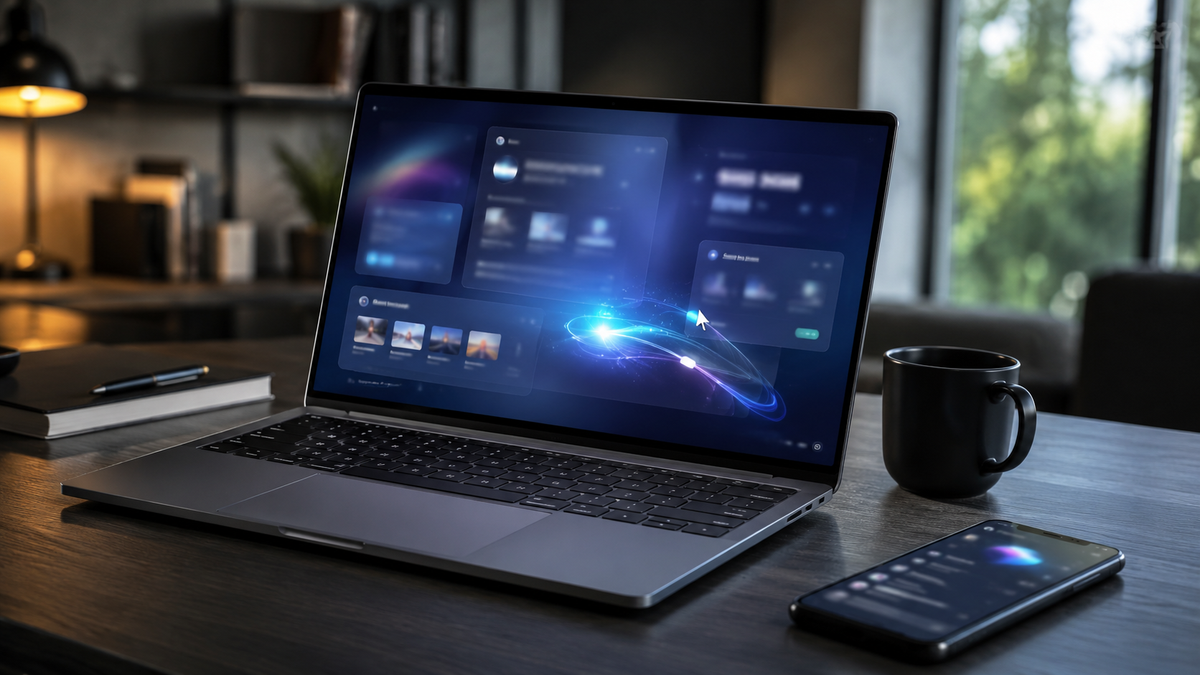
Laptops are no longer only about faster processors, sharper screens, or longer battery life. Googlebook points to a different direction: a laptop experience where AI is built into the cursor, desktop, apps, files, and phone connection.
Google introduced Googlebook on 12 May 2026 as a new laptop category designed around Gemini Intelligence. The company says it combines parts of Android and ChromeOS, with Gemini placed closer to normal laptop tasks instead of sitting only inside a separate chatbot window.
One of the clearest examples is Magic Pointer. Google says users will be able to move the cursor over something on screen and get contextual help from Gemini. For example, pointing at a date in an email could help create a meeting, while selecting images could bring visual assistance.
Googlebook also includes custom widgets powered by Gemini. Instead of manually arranging information across many apps, users can ask Gemini to build a dashboard using web information and Google apps such as Gmail and Calendar. That could make the laptop feel more like a connected workspace than a collection of separate windows.
The Android connection is another important part of the idea. Google says Googlebook will support phone apps and make phone files available through the laptop’s file browser. In practice, this could make it easier to move between phone and laptop without sending files to yourself or switching devices repeatedly.
The first Googlebook devices are expected from partners including Acer, ASUS, Dell, HP, and Lenovo, with availability planned for fall 2026. Google has not yet shared full pricing, detailed model specifications, or a complete market rollout plan in its early announcement.
For everyday buyers, the lesson is simple. AI laptops are moving beyond the idea of adding a built-in assistant. Googlebook suggests the next stage may be AI woven into the operating system, pointer, widgets, files, apps, and device switching.
That can be useful, but it also needs careful attention. A laptop that can read more screen context, connect to apps, and organize personal information may require stronger privacy controls. Before upgrading, users and businesses should check what data the AI can access, how permissions work, whether features can be turned off, how long devices will receive updates, and whether the new tools actually improve daily work.
Googlebook is still an early look, not a full buying guide. The real test will come when devices arrive, pricing is clear, and users can see whether Gemini-powered features save time without creating confusion, distraction, or privacy concerns.
Key Takeaways
• Googlebook is a new laptop category built around Gemini Intelligence and deeper Android integration.
• The biggest shift is AI moving into normal laptop actions, including the cursor, widgets, files, and app access.
• Buyers should wait for confirmed pricing, specifications, privacy controls, and software support details before judging the value.
Sources: Google, WIRED, TechCrunch.
Disclaimer: This article is provided for educational and informational purposes only. It does not constitute legal, financial, cybersecurity, or professional advice. Readers should verify important information through official sources before taking action.


