
How Dubai’s New Food Virus Lab Supports Safer Food Checks

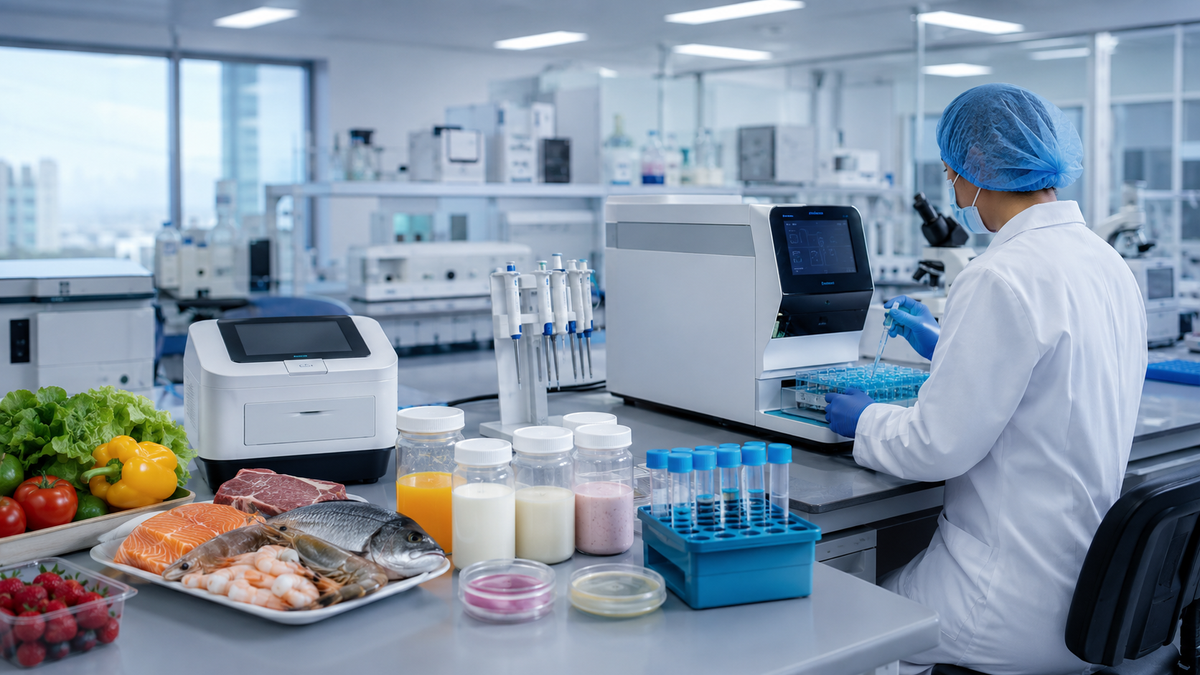
Food safety is not only about what can be seen, smelled, or checked on a label. Some risks need advanced testing, especially when viruses may be present in food without obvious signs.
Dubai Municipality has launched the ViruGenetics Lab at Dubai Central Laboratory, a specialised facility for detecting foodborne viruses using genomic technologies. The municipality said it is the first facility of its kind in the UAE.
The lab is designed to make food testing faster and more reliable. It can process around 60 samples per day, with capacity rising to 100 samples during emergency situations. This matters for food control because faster laboratory results can help authorities make quicker inspection and public health decisions when urgent checks are needed.
A key part of the facility is digital PCR, also known as dPCR. This is a molecular testing method used to detect viral pathogens with high sensitivity. Dubai Municipality said the lab can identify viruses such as norovirus, hepatitis A and hepatitis E. It can also handle more complex food samples, including dairy products, seafood, juices and fresh produce.
For residents, the launch is a reminder that modern food safety depends on more than routine inspections. Behind everyday food supply chains, laboratories play an important role in spotting risks that may not be visible during normal handling or sale.
For food businesses, stronger testing systems can support better compliance, faster risk tracking and more confidence in the wider food control process. It does not remove the need for basic safety practices such as hygiene, correct storage, clean preparation areas and reliable sourcing. Instead, it adds another layer of protection when laboratory confirmation is needed.
Dubai Municipality also said the lab follows ISO/IEC 17025 standards, which support quality and reliability in laboratory testing. The facility is expected to support cooperation with universities and research centres, including work toward a national database of foodborne viruses.
The bigger lesson is simple. Digital and genomic tools are becoming part of public safety systems, not only in cybersecurity or healthcare, but also in food inspection. For a city with a large food and hospitality sector, faster virus detection can help support safer decisions, better preparedness and stronger public health protection.
Key Takeaways
• Dubai’s ViruGenetics Lab adds advanced virus detection to the food safety system.
• Digital PCR can help detect foodborne viruses in complex food samples more accurately.
• Faster testing can support inspections, emergency response and public health decisions.
Sources: WAM, Dubai Municipality, Dubai Media Office.
Disclaimer: This article is provided for educational and informational purposes only. It does not constitute legal, financial, cybersecurity, or professional advice. Readers should verify important information through official sources before taking action.


